
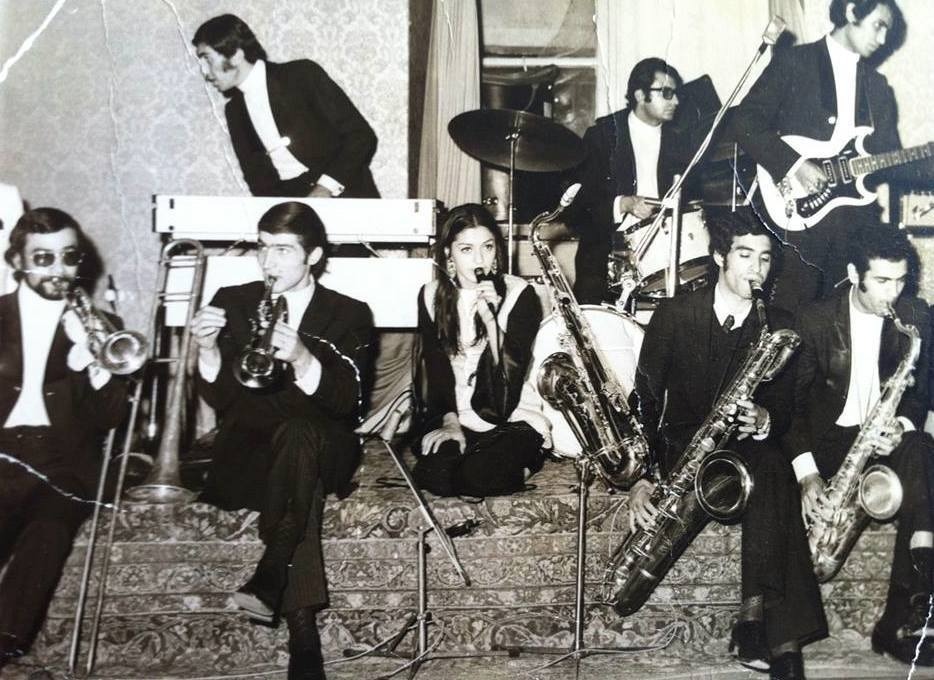
On December 28, 2024, a new chapter in Pashto music history began in the heart of Malmö, Sweden. The Pashto Music Institute (PMI) held its soft launch in a city known for cultural inclusivity and global connectedness — a fitting setting to unveil an initiative dedicated to preserving and revitalizing the rich musical traditions of the Pashtoon people.
The launch event brought together artists, scholars, activists, and supporters of Pashto culture from around the world. Through moving speeches, research presentations, and cultural reflections, the program highlighted both the deep heritage and urgent challenges facing Pashto music today.
Renowned singer and PMI Chairman, Haroon Bacha — affectionately called “Bacha Ji” — opened the event with heartfelt remarks about the journey to establish the Institute. “This institute is a labor of love and dedication,” he said, tracing the roots of PMI to years of research and collaboration across Kabul, Quetta, Peshawar, Kandahar, Jalalabad, the U.S., Europe, and Australia. He emphasized that PMI is more than just a cultural organization—it is a vehicle for peacebuilding through music diplomacy and a home for future generations of musicians.
Dr. Attaullah Saeedzai, the Institute’s Lead Researcher, shared findings from a major study exploring the social and economic realities of Pashto musicians. He spoke powerfully about the marginalization of artists—especially women—and the lack of institutional support. “Our research underscores the need for urgent action: to archive, protect, and elevate Pashto music before more is lost,” he said, calling for global recognition through efforts like UNESCO nominations.
PMI Board Member Mushtaq Rahim expanded on the Institute’s vision and roadmap, describing PMI as a hub for education, advocacy, and innovation. “This isn’t just a community—it’s a think tank,” he said. He emphasized the importance of building platforms, expanding digital presence, and generating respect for artists, many of whom continue to face cultural and economic hardships.
Adding historical context, cultural scholar Ghafoor Liwal reminded the audience of past colonial efforts to silence Pashto music as a means of weakening identity and unity. “Music is not haram or halal—it’s as essential as water,” he declared. “Reclaiming music is reclaiming our cultural identity.”
In a special video message, education advocate Ziauddin Yousafzai lent his voice to the cause, noting that music has the power to transcend divisions and promote peace. “Pashto music can be a universal language of harmony,” he said.
The event concluded with traditional performances and open dialogue, reinforcing music’s role in storytelling, healing, and resilience. As discussions addressed the stigma and legal gaps surrounding musicians, a sense of hope prevailed.
With this launch, the Pashto Music Institute has laid the foundation for a global movement—one that preserves tradition, inspires innovation, and ensures that the soul of Pashto music continues to thrive in generations to come.