
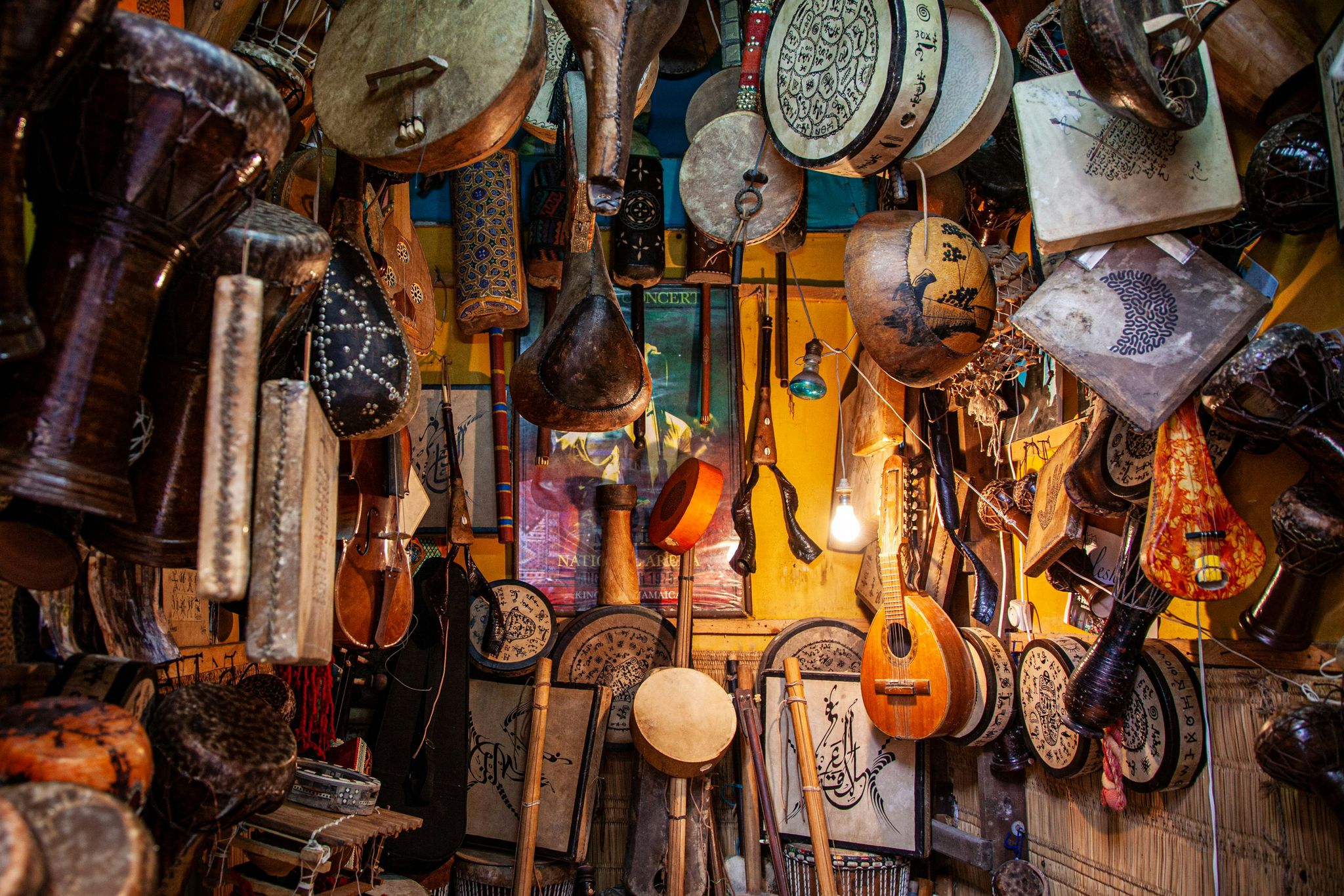
Psychologists and social scientists recognize music as a powerful force that nurtures peaceful and empathetic mindsets. It blends human emotions and thoughts in a way that builds foundations of understanding, love, and unity among people.
Throughout history, music has served as a vital tool for human expression. People have used it to voice their pain, joy, hopes, and dreams. Yet music has never been confined to entertainment alone—it has also been a potent medium for shaping social bonds, cultural identity, and even political change.
In many societies, music acts as a universal language for protest, resistance, celebration, and grief. Through this art form, individuals are able to deliver deep and impactful messages—especially when words fall short. Music connects people across boundaries, creating shared experiences that can dissolve divisions.
The Connection Between Music and Peace
In regions plagued by war, violence, and political conflict, music becomes a powerful medium that softens hearts and spreads messages of unity, healing, and peace. Research shows that music creates emotional resonance between people, helping to reduce violence, prevent prejudice, and foster mutual understanding. It can break cycles of hostility by encouraging empathy and emotional reflection, particularly among youth and marginalized communities.
How Music Contributes to Peacebuilding
These roles show that music is not a passive cultural product but an active agent of peace.
Music’s Role in Afghanistan’s Peace and Stability
Afghanistan, a country long affected by war, political instability, and social challenges, has seen music emerge as a vital tool for peace. Music not only reflects the cultural identity of Afghans, but also serves as a unifying force among the nation’s diverse ethnicities, languages, and religions.
Musical traditions among Afghanistan’s various ethnic communities form a shared cultural language that fosters coexistence and mutual understanding. The country is fortunate to possess a rich heritage of folk music, developed over generations by villagers across its regions. Pashtuns, Tajiks, Hazaras, Uzbeks, Turkmens, and others have all contributed to this vibrant musical legacy.
Global Lessons and Inspirations
Around the world, countries emerging from war and violence have successfully used music as a tool for reconciliation. For example, after the Balkan wars, music helped open dialogue among ethnic groups in the region. In South Africa, music was a powerful weapon against apartheid, cultivating a spirit of love and equality across communities.
Afghanistan can draw from these experiences to develop new strategies that use music to foster peace, national unity, and social stability. Music is one of those rare languages that not only conveys emotion, but also drives social transformation—especially in conflict-ridden societies. In such contexts, music plays a key role in reducing violence, spreading compassion, and shaping a culture of peaceful coexistence.
In a country like Afghanistan—one that faces historical and ongoing challenges—the role and impact of music must be prioritized in peacebuilding strategies. Investing in music as a medium of healing, education, and unity can contribute meaningfully to the country’s long-term stability and social harmony.
References and Further Reading
“The Role of Music in Social Cohesion” – Journal of Ethnomusicology
Psychology of Music (2013) – Studies on the psychological effects of music
Peace through Music – UNESCO research on music and conflict resolution
Afghan Music and Peacebuilding, International Crisis Group Report (2021)